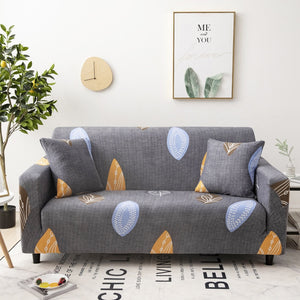
Why sofa covers matter if you have allergies — an in-depth guide for Leeds homes
Living with allergies in Leeds means thinking differently about the objects we use every day — especially soft furnishings like sofas and armchairs. Sofas are comfortable, inviting and central to family life, but their fabric surfaces also trap and harbour the allergens that make many people feel unwell: dust mites, pet dander, pollen tracked in on shoes and clothing, and even mould spores in damp periods. For allergy sufferers, the sofa is often an overlooked reservoir of symptoms. Selecting the right sofa covers — carefully chosen materials, snug fits and easy-to-clean designs — can materially reduce allergen load, improve indoor air quality, and make a measurable difference to comfort.
Leeds has a variable climate: humid summers that can lift dust mite populations and damp autumn-winter periods that can encourage mould if fabrics remain damp. Urban pollen in spring and summer adds seasonal peaks to the pollen load indoors, and pet ownership is common — making pet dander a persistent issue. When you layer these environmental factors over everyday living (kids, work-from-home, cooking), the average sofa can quickly accumulate a mixture of irritants. That’s why the best sofa covers for allergies are not chosen only for appearance; they are chosen for their material properties, breathability, washability, and protective technologies (for example, waterproof membranes and tightly-woven jacquard surfaces).
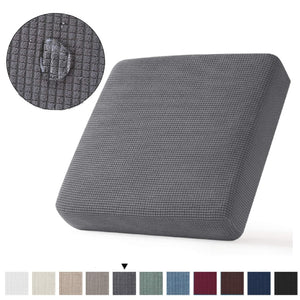
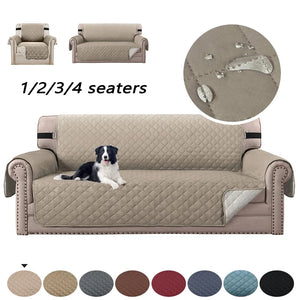
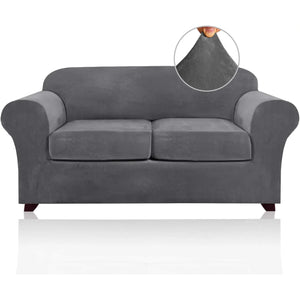
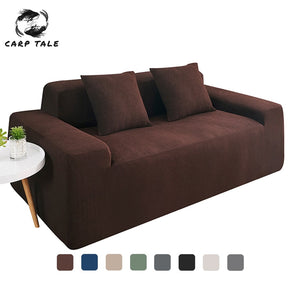
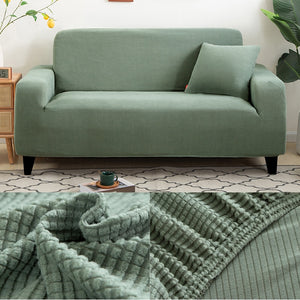
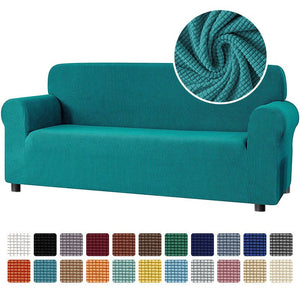
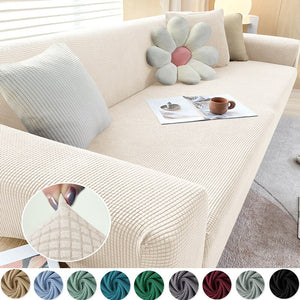
Choosing an allergy-friendly sofa cover begins with materials. Tightly woven fabrics such as high-grade spandex blends and jacquard restrict the penetration of fine dust and dander, preventing allergens from embedding deep into the upholstery. Synthetic velvet variants and dense jacquard often perform well because they provide a smooth surface that’s easy to vacuum and wipe. Polar fleece and plush covers provide warmth for colder months but must be chosen carefully — their nap can trap hair if not maintained frequently; however, thicker fleece that’s sealed and washable can still be a strong option. For homes where moisture is a concern — for example, people living in terraced houses or flats with slightly higher indoor humidity — covers with water-repellent or waterproof layers prevent damp events from creating a breeding ground for mould.
Fit and finish are crucial. Wrinkled or loose covers create folds and seams where dust and pet hairs collect; a tight, elasticised fit reduces these hiding spots, making routine cleaning more effective. Slipcovers that hug the armrests, backs and seat edges — and those with anti-slip backing or silicone dots — stay in place, meaning you spend less time re-tucking and more time keeping the fabric clean. Leeds households with pets will appreciate anti-slip and scratch-resistant finishes: these keep covers in place during play and avoid rapid wear. Similarly, covers that are modular (seat-only, full-wrap, cushion-by-cushion) let you focus washing on high-contact areas while keeping the rest of the sofa ready for immediate use.
Maintenance is where the biggest benefits for allergy sufferers appear. The ideal allergy-friendly sofa cover is easy to remove and machine washable at a temperature that effectively denatures dust mite proteins (many allergists suggest regular hot washes where the fabric permits). Frequent washing removes dander, pollen, and surface dust before they settle. Vacuuming between washes is still important — choose covers with a surface that resists hair embedding and that responds well to a handheld or upholstery nozzle. Some modern covers are designed with waterproof membranes that are still machine-washable; these add an extra layer of protection without complicating cleaning cycles.
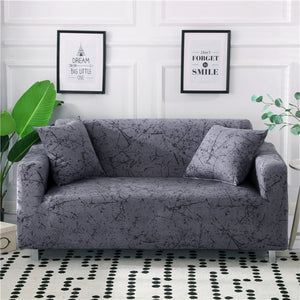
Design and aesthetics matter too. While the health properties are primary, Leeds homes still want style: neutral tones, jacquard textures, and velvet finishes allow covers to blend into both contemporary flats and Victorian terraces. When selecting covers specifically for allergies, consider neutral or mid-tone colours — they hide light dust while making it easier to spot real soiling that needs washing. For families who host frequently, keep a rotation of two sets so one can be in the wash without affecting presentation.
There are trade-offs: a thick fuzzy cover may be warm for winter but trap pet hair faster; a thin waterproof cover may be easy to clean but less comfortable in cold weather. The best strategy for Leeds households is a layered approach: a tightly woven, hypoallergenic primary cover paired with washable throws that provide seasonal warmth. This gives the best of both worlds: easy cleaning and seasonal comfort without sacrificing allergy control.
Finally, where to buy and trial: buying a sample or a single unit to test fit and maintenance before a full purchase is sensible. And if you live in Leeds, consider local fabric testers or retailers who can advise on washing temperatures and precise fits for local sofas. The product selection below has been curated with these practical concerns in mind — every recommendation considers allergy reduction, washability, and real-world Leeds living conditions. Read each product entry to find the right slipcover for your sofa type and household needs.